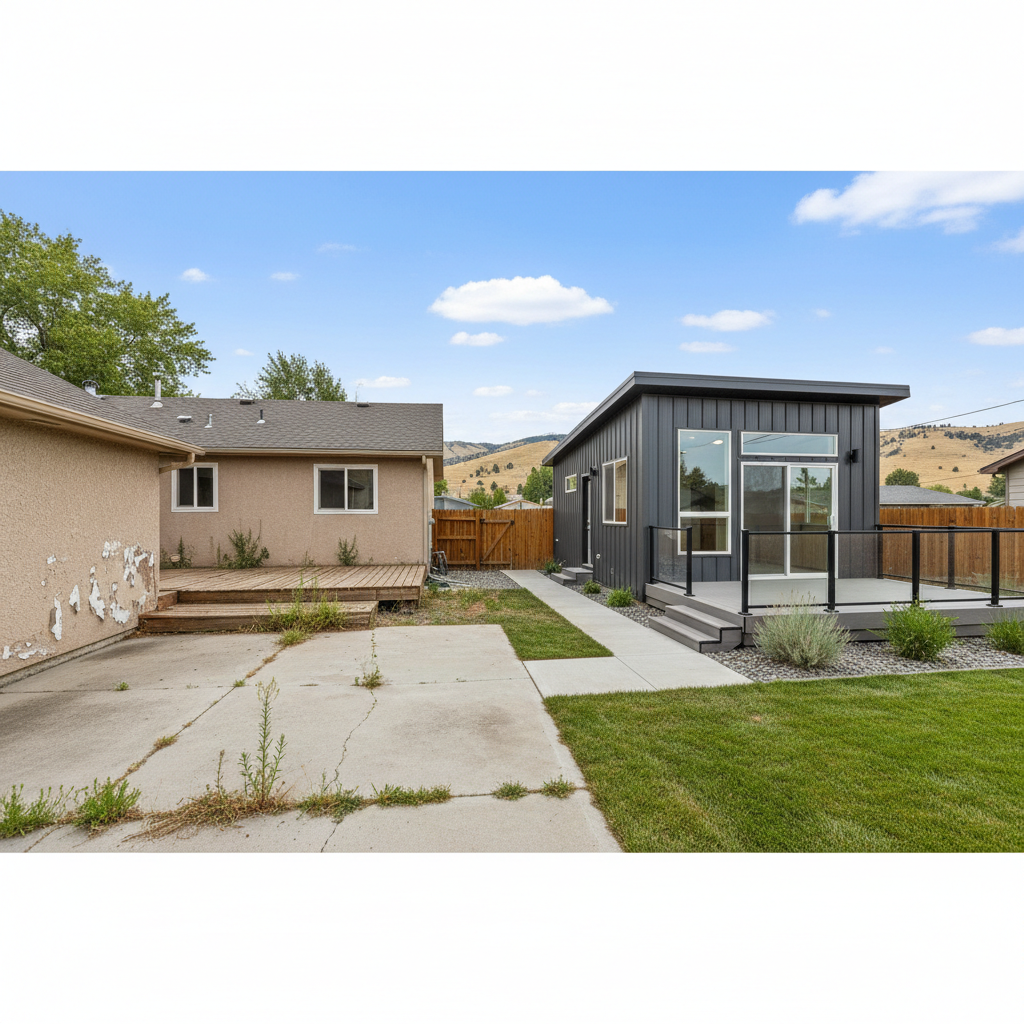
Alright, so you're thinking about adding an ADU to your property here in Eagle, huh? That's a smart move. But before you get too far into picking out finishes, we need to talk about what's underneath it all: the foundation. This isn't the most glamorous part of the build, no, but it's probably the most important. Mess this up, and you're in for a world of headaches down the line.
For most ADUs, you're generally looking at two main options for your foundation: a slab-on-grade or a crawl space. Both have their upsides and downsides, and what works best really depends on your specific situation, your budget, and what you're hoping to get out of the ADU.
Slab-on-Grade Foundations: The Basics
A slab-on-grade foundation is pretty much what it sounds like: a thick, reinforced concrete slab poured right onto the ground. The edges are usually thicker to form a footing, and it often includes a vapor barrier and insulation underneath. It's a pretty common method, especially for smaller structures or in areas where the ground is nice and stable.
Pros of a Slab Foundation
- Cost-Effective: Generally, slabs are cheaper to pour than building a full crawl space. There's less digging, less material (no joists, subfloor, or extensive framing), and usually less labor involved. If budget is your main concern, a slab often comes out on top.
- Faster Build Time: Once the ground is prepped and the rebar is laid, that concrete gets poured, and it cures pretty quickly. This can shave some time off your overall construction schedule, which is always a bonus, right?
- Durability and Low Maintenance: A well-poured slab is incredibly tough. It won't rot, it won't attract pests like termites, and it's less prone to moisture issues if sealed correctly. You also don't have to worry about maintaining a crawl space underneath.
- Energy Efficiency: With the right insulation, a slab can be very energy efficient. It acts like a thermal mass, soaking up and releasing heat slowly, which helps keep indoor temperatures steady. Plus, you won't have drafts coming up from an unconditioned crawl space.
Cons of a Slab Foundation
- Harder to Access Utilities: This is a big one. If you have plumbing or electrical lines buried in the slab and something goes wrong, you're looking at breaking up concrete to fix it. That's messy, expensive, and a huge pain.
- Less Flexible for Changes: Want to add a new plumbing fixture or reroute some wiring later? Good luck. It's incredibly difficult to modify a slab foundation once it's in place.
- Potential for Cracking: While tough, concrete can crack, especially with our freeze-thaw cycles here in Idaho if it's not properly prepared and reinforced. Minor hairline cracks are often just cosmetic, but larger structural cracks are a serious problem.
- No Underfloor Storage: You lose out on any potential storage space that a crawl space or basement would offer.
Crawl Space Foundations: Getting Underneath It All
A crawl space foundation involves digging out a shallow space, usually 2-3 feet deep, and then building concrete footings and stem walls that hold up the floor joists and subfloor above. It creates a gap between the ground and the bottom of your ADU's floor.
Pros of a Crawl Space Foundation
- Easy Utility Access: This is the number one advantage, hands down. All your plumbing, electrical, and HVAC lines are easily accessible for repairs, maintenance, or future modifications. If a pipe leaks, it's usually a much simpler fix than with a slab.
- Better for Sloped Lots: If your property has a bit of a grade, a crawl space can often be easier and more cost-effective to build than trying to level everything perfectly for a slab.
- Improved Air Quality: A properly vented or conditioned crawl space can lead to better indoor air quality by keeping the living space separate from the ground.
- Comfort: Some people find a floor over a crawl space more comfortable underfoot than a concrete slab, which can feel very hard and cold.
- Storage Potential: While it's not a full basement, a crawl space can offer some limited storage for things like seasonal decorations or yard tools, as long as you keep it dry and clean.
Cons of a Crawl Space Foundation
- Higher Cost: Generally, crawl spaces cost more to build than slabs. You've got more digging, more concrete for the stem walls, and then all the framing for the floor system (joists, subfloor).
- Potential for Moisture and Pests: If not properly encapsulated or vented, crawl spaces can get damp, leading to mold, mildew, and attracting pests like rodents or insects. This is especially true in areas like Eagle where we get heavy snowmelt and spring rains; water can find its way in if drainage isn't perfect.
- Maintenance: You'll need to periodically check your crawl space for moisture, pests, and any structural issues. It's not a set-it-and-forget-it type of foundation.
- Longer Build Time: More steps mean more time, simple as that.
What I Recommend for Eagle ADUs
Look, both options are viable, and I've built plenty of ADUs with both types of foundations. But if you ask me, especially for an ADU that you want to be a comfortable, long-term living space, I usually lean towards a crawl space foundation for most Eagle properties.
Here's why:
- Our Soil and Climate: We've got a mix of soil types around Eagle, and while some areas are great, others can have expansive clays. Plus, our winters mean freeze-thaw cycles. A crawl space allows a bit more flexibility and less direct contact with potentially shifting or freezing ground than a slab.
- Utility Access is King: I can't stress this enough. Being able to get under the house to fix a leaky pipe or run a new electrical line without tearing up your finished floor is a huge advantage. It saves you money and headaches in the long run. Imagine trying to fix a sewer line under a finished slab floor – it's a nightmare.
- Moisture Control: Yes, crawl spaces can get damp, but with proper encapsulation, a good vapor barrier, and maybe even a small dehumidifier, you can keep them bone dry. It's a manageable issue, and it protects your investment.
Now, if you're building a small, simple ADU – maybe a detached office or a basic storage unit – and budget is absolutely the tightest constraint, a well-engineered slab can still be a good option. But for a full-fledged living space, the long-term benefits and peace of mind you get from a crawl space usually outweigh the initial cost difference.
Ultimately, we'll look at your specific lot, your budget, and what you plan to use the ADU for. We'll talk through the pros and cons for your unique situation. At Eagle ADU Solutions, we make sure you understand all your options so you can make the best decision for your property. Don't hesitate to reach out if you've got questions!