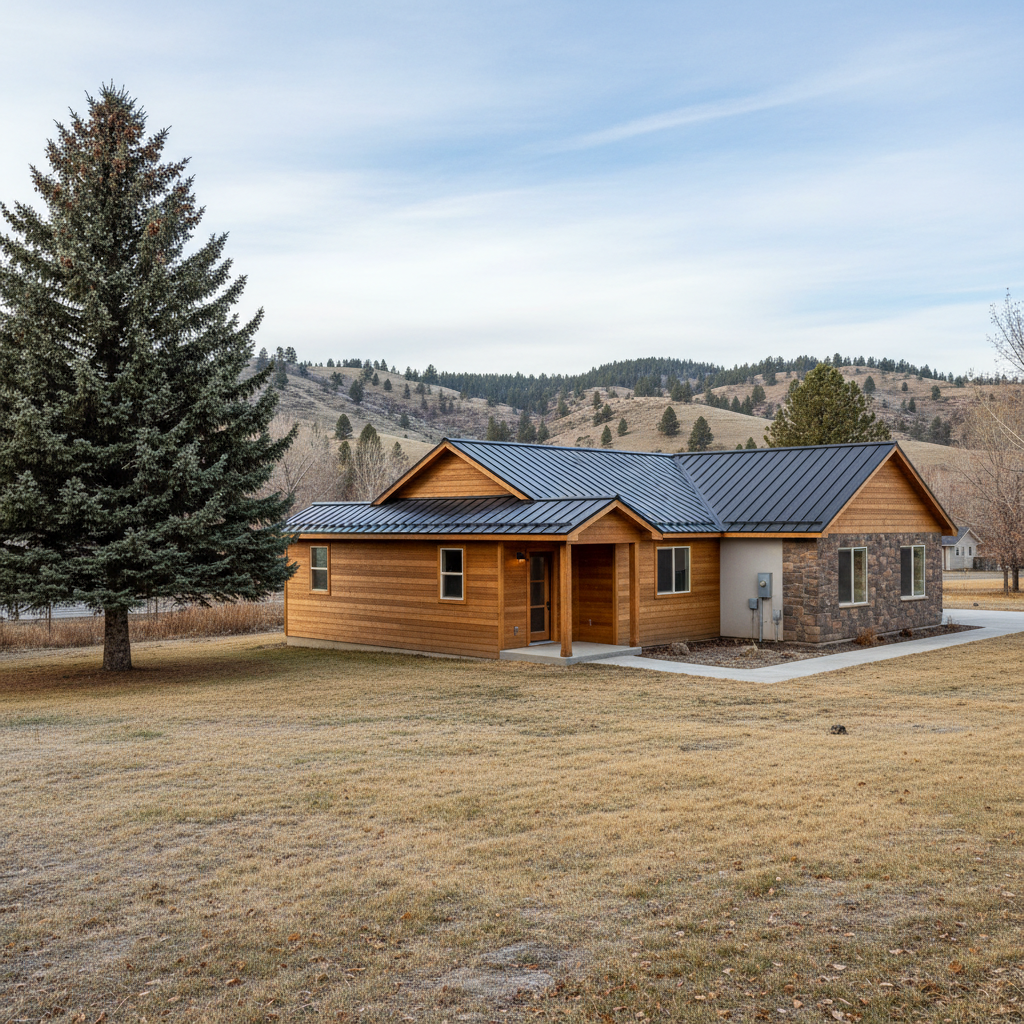
So, you're thinking about adding an attached ADU to your place in Eagle. Smart move, I'd say. Whether it's for family, some extra rental income, or just needing more space, an ADU makes a lot of sense. But before you get too far along, let's talk about something really important: the weather here in Eagle, ID. It's not just about picking a contractor; it's about picking the right time of year for your build, believe me.
Why Eagle's Seasons Really Matter for Your ADU
You know how our springs can get pretty wet, and winters, well, they're definitely winters. These aren't just minor annoyances when you're building something new, especially when it's attached to your main house. They directly hit everything, from digging the foundation to framing the walls and even putting in the interior finishes. You certainly don't want rain soaking into your brand-new framing, or concrete curing all wrong because it's too cold. That just leads to headaches and, frankly, potential long-term problems.
The Best Time to Break Ground
From what I've seen over the years, the real sweet spot for starting an attached ADU project around here is late spring into early summer. Think May through July. Why then, you ask? Usually, you've got the bulk of the spring rains behind you by then, and the ground's had a chance to dry out a bit. This is perfect for excavation and pouring foundations. Trying to dig in saturated soil, particularly with those clay-heavy patches we have around the Star Road area, can be a real mess and slow things down a lot. Plus, the temperatures are consistently warm enough for concrete to cure properly without needing expensive winterizing measures, which is a big deal.
Navigating Our Winters and Wet Springs
Building in the fall or winter isn't impossible, but it definitely brings its own set of challenges. If you're kicking off an ADU project in, say, October, you're basically racing the clock before the ground freezes solid or the heavy snows start. Concrete work gets way more complex, often needing blankets and heaters just to make sure it sets correctly. Framing in wet or snowy conditions means you're constantly fighting moisture, which can lead to issues down the road if it's not handled perfectly. We're talking potential mold, wood swelling, and just general delays. It often ends up costing more too, because of all the extra steps needed to protect the work from the elements.
Spring, while it feels like a fresh start, can also be pretty tricky. We often get those late-season cold snaps and heavy rain showers well into April or even May, don't we? If you're planning to start then, you really have to be ready for potential weather delays, especially for any exterior work like siding or roofing. It's all about managing expectations and having a contractor who truly knows how to adapt.
Protecting Your Investment Year-Round
Once your attached ADU is all built, you'll want to keep it in fantastic shape, no matter the season. Here's what I always tell folks:
- Gutters and Downspouts: Make sure they're clear, especially before fall and after winter. Good drainage around your ADU — and your main house, for that matter — stops water from pooling near the foundation. That's absolutely critical for preventing structural problems.
- Sealants and Caulking: Check around windows, doors, and any penetrations for cracks or gaps. Our temperature swings can make sealants brittle, you know. Re-caulk as needed to keep moisture and drafts out.
- Roof Inspections: After a heavy winter with snow and ice, it's smart to do a quick visual check of your roof. Look for missing shingles, damaged flashing, or anything that just looks a bit off. Small issues can become big leaks really fast.
- Ventilation: Especially in our humid springs and cold winters, good ventilation is key to stopping moisture buildup inside. Make sure your bathroom and kitchen fans are working right, and use them!
Ultimately, planning your attached ADU project with Eagle's specific climate in mind isn't just a good idea; it's absolutely essential for a smooth build and an addition that lasts. We at Eagle ADU Solutions always factor this into our planning, making sure we set realistic timelines and take all the necessary precautions for our local conditions. You want your ADU built right, and that starts with respecting what our Idaho weather throws at us.