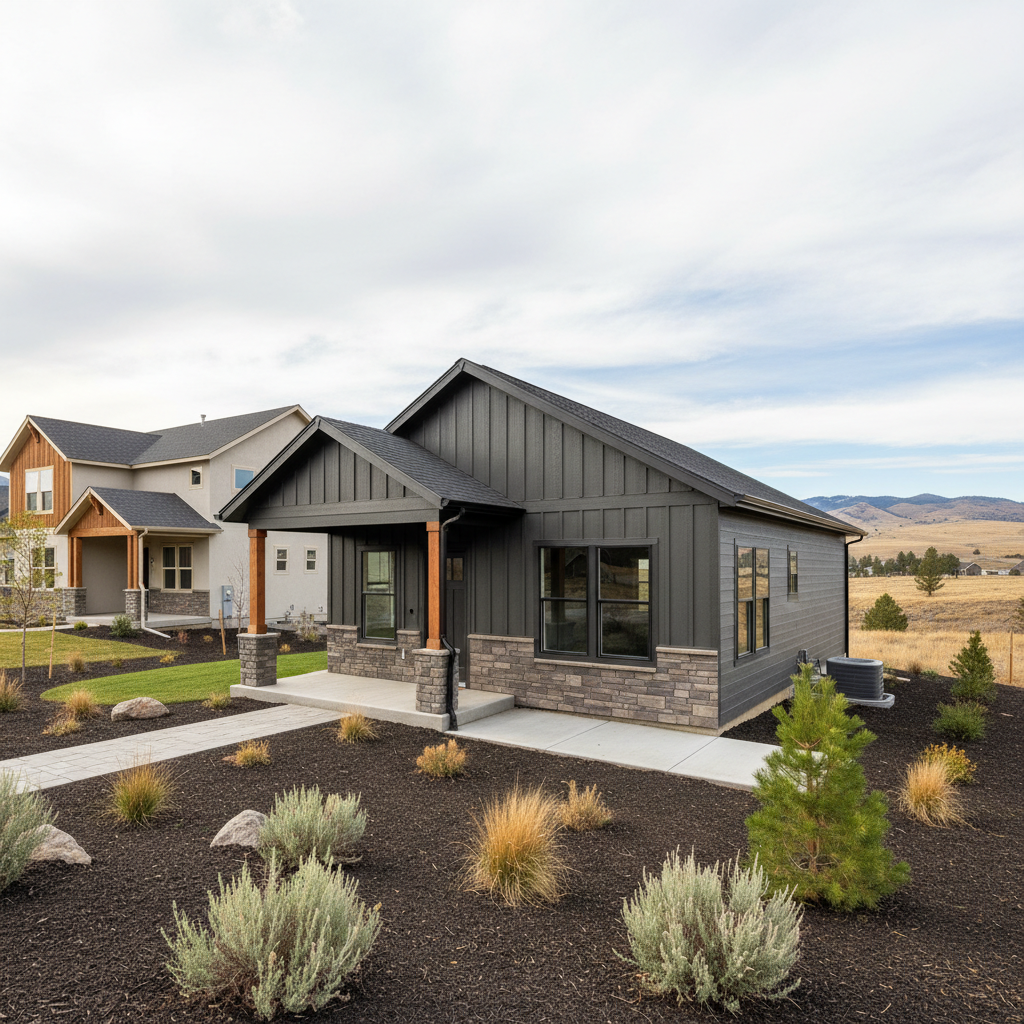
You've decided an ADU is right for your Eagle property. That's awesome! Whether it's for family, rental income, or just extra space, an Accessory Dwelling Unit can be a fantastic investment. But before you even think about swinging a hammer, you've got to tackle the permitting process. And let me tell you, this is where a lot of folks stumble. I've seen it countless times, and it usually ends up costing more time, money, and headaches than it should.
Ignoring Zoning & Setbacks From the Get-Go
This is probably the biggest, most fundamental mistake I see. People get excited about a design, maybe even talk to a builder, without ever truly understanding what Eagle City and Ada County zoning ordinances allow for their specific property. Every lot is different. You might have a great idea for a detached ADU in your backyard, but then you find out your lot's setbacks (how far a structure needs to be from property lines) make it impossible, or only allow for something much smaller than you envisioned. Or maybe you're in a neighborhood like Legacy, where HOAs add another layer of rules on top of city codes.
Don't just assume. Get copies of your property's plat map, look up the zoning designation for your address on the city's website, and understand the setback requirements for accessory structures. This should be your absolute first step. If your dream ADU doesn't fit the zoning, you're dead in the water before you even start designing.
Underestimating Utility Connections & Costs
A lot of homeowners focus on the structure itself – the framing, the finishes, the pretty stuff. But what about getting water, sewer, and electricity to your new ADU? This isn't just about running a few pipes and wires; it's about capacity, trenching, and tying into existing systems. If your main house's electrical panel is already maxed out, you'll need an upgrade. If your sewer line isn't deep enough or has capacity issues, that's a whole new ballgame. Water pressure can be a concern too, especially if you're building far from the main house.
I've seen projects stall because the homeowner didn't budget for a new electrical service drop or a lengthy sewer line excavation across their yard. These aren't cheap fixes, and they absolutely need to be part of your initial planning and budget. Get a professional to assess your existing utilities early on.
Trying to DIY the Entire Permit Application
Look, I appreciate the DIY spirit. For some things, it's great. But the ADU permitting process in Eagle, ID, isn't just filling out a form. It involves detailed architectural plans, site plans, engineering calculations (for things like foundations and structural loads, especially with our expansive clay soils in some areas), energy code compliance, and more. It's a complex package that needs to be submitted correctly the first time.
I've seen homeowners try to piece together plans themselves or use generic online templates. What happens? The city planning department sends it back, often multiple times, with requests for more information, corrections, or completely missing elements. Each resubmission adds weeks, sometimes months, to your timeline. It's frustrating, and it delays your project significantly. Unless you're a licensed architect or engineer yourself, this is one area where you absolutely need professional help.
Not Getting Multiple, Detailed Bids for Design & Permitting
When you're ready to get serious, don't just go with the first architect or designer you talk to. Get at least three bids. And make sure those bids are detailed. They should clearly outline what's included: site plan, floor plans, elevations, structural drawings, energy calculations, permit submission services, and any revisions. You want to know exactly what you're paying for.
A cheap initial quote might seem appealing, but if it doesn't include everything needed for a successful permit application, you'll pay for it later in change orders or delays. At Eagle ADU Solutions, we make sure our clients understand every step and every cost involved in the design and permitting phase because transparency saves everyone trouble down the line.
Ignoring the Impact on Property Taxes
This isn't strictly a permitting mistake, but it's a common oversight during planning. Adding an ADU will increase your property's assessed value, and therefore your property taxes. It's not a deal-breaker for most, but it's an ongoing cost you need to factor into your financial projections, especially if you're relying on rental income to offset expenses. Don't be surprised by a higher tax bill a year or two after your ADU is complete.
Skipping Pre-Application Meetings
Many cities, including Eagle, offer pre-application meetings where you can discuss your project with planning department staff before submitting formal plans. This is an invaluable opportunity. You can get early feedback on your concept, clarify zoning questions, and identify potential issues that might otherwise cause delays later. It's like getting a sneak peek at the test before you have to take it. Don't skip this step; it can save you a ton of rework and frustration.
Getting an ADU permitted is a journey, not a sprint. Take your time, do your homework, and don't be afraid to lean on professionals who know the local rules. It'll make the whole process a lot smoother.