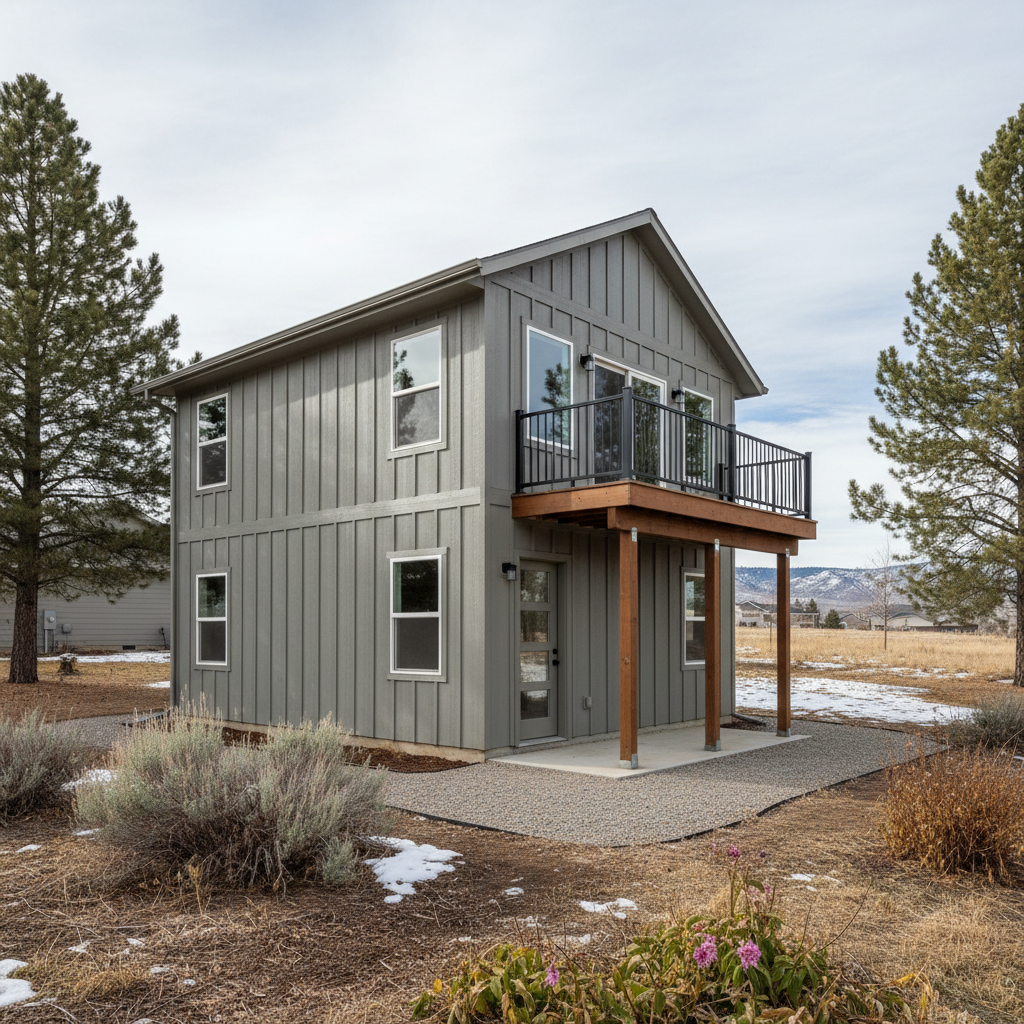
So, you're thinking about converting your garage into an Accessory Dwelling Unit, huh? That's a smart move for extra space, rental income, or even a home office. But here in Eagle, Idaho, our weather isn't exactly mild all year. If you're going to invest in a garage conversion, you need to know how our local climate impacts the project and how to protect that investment once it's done. I've seen a lot of garage conversions over the years, and timing is everything.
When to Schedule Your Garage Conversion Project
Honestly, the best time to kick off a garage conversion around here is usually spring or early summer. Our springs can be a bit wet, but once May hits, we usually get a good stretch of dry, warm weather that's perfect for construction. You're looking at fewer rain delays, which means your project stays on schedule and often on budget.
Fall can work too, especially early fall. The temperatures are still comfortable, and you avoid the really hot days of August. But you've got to be mindful of those early winter storms that can roll in. Nobody wants to be trying to dry out framing when it's already freezing outside.
Winter? Forget about it for the major structural stuff, if you can. Pouring concrete, framing, roofing – these things just don't mix well with frozen ground, snow, and ice. You can do interior work during winter, sure, once the shell is sealed up and you've got heat. But getting to that point in winter is a challenge. It'll cost you more in temporary heating, and you'll face more delays.
Weather Conditions That Affect the Work
Our Eagle weather really throws a few curveballs at construction:
- Wet Springs: If you're digging foundations or pouring concrete, a lot of rain can turn your site into a muddy mess. It slows everything down and can affect the quality of concrete if it's not protected properly. We've got pretty good drainage in most of Eagle, but if you're in an older area like some parts near the Boise River, you might have higher water tables to contend with.
- Hot Summers: Believe it or not, extreme heat can be a problem too. Concrete cures too fast, wood can warp if it's not stored right, and it's just plain harder on the crew. We'll often start earlier in the day to beat the worst of the heat.
- Cold Winters: This is the big one. Freezing temperatures make concrete work nearly impossible without expensive heating and protection. Painting, drywall, and even some flooring adhesives won't perform correctly in the cold. Plus, working with frozen materials is just harder and less safe.
- Wind: We get some blustery days, especially in spring. High winds can make roofing dangerous and can blow dust and debris everywhere. It's not a deal-breaker, but it's something we always keep an eye on.
Protecting Your ADU Investment Year-Round
Once your garage conversion is done, you'll want to make sure it stands up to our Idaho seasons. Here's what I recommend:
- Insulation is King: Don't skimp here. Our temperature swings from 100 degrees in summer to below zero in winter mean you need solid insulation in the walls, ceiling, and floor. This isn't just about comfort; it's about keeping your energy bills manageable. We always recommend high-R-value insulation for our climate.
- Proper Flashing and Drainage: Water is the enemy. Make sure all windows, doors, and roof penetrations are properly flashed. Good gutters and downspouts that direct water away from the foundation are crucial. This is especially important if your ADU is built on a slab, which most garage conversions are. You don't want water pooling around the edges.
- Quality Windows and Doors: Invest in energy-efficient, double-pane windows and well-sealed doors. They'll keep the heat in during winter and the cool air in during summer. Plus, they'll reduce outside noise.
- HVAC System: You'll need a dedicated heating and cooling system that's sized correctly for the space. A mini-split heat pump system is often a great choice for ADUs because they're efficient and provide both heating and cooling.
- Exterior Finishes: Use durable exterior materials that can handle our sun, snow, and occasional hail. Good quality siding and exterior paint will protect your investment for years.
- Regular Maintenance: Just like your main house, your ADU will need some TLC. Clean gutters, check for cracks in the caulk around windows and doors, and keep an eye on your roof. Catching small issues early prevents big, expensive problems down the road.
Building an ADU is a fantastic way to add value and utility to your property. With Eagle ADU Solutions, we make sure we're building it right for our local conditions, so your new space is comfortable and durable for years to come. Don't let the weather scare you off, just plan smart and build smart.