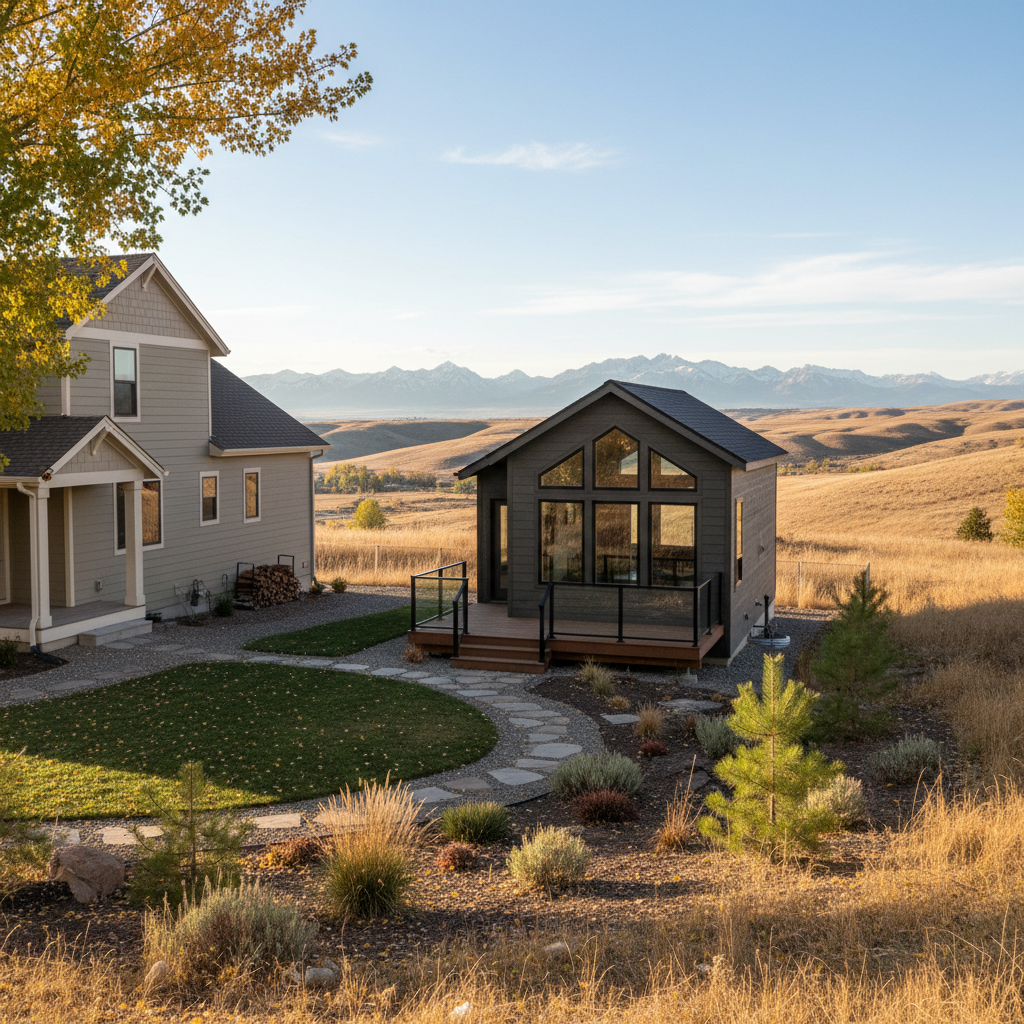
You're considering a Junior ADU (JADU) for your Eagle property, which is a smart move. But before you jump in, let's talk about something crucial for us here in Idaho: the weather. It dictates a lot, from when we can even break ground to how you'll need to maintain your new space.
Timing Your JADU Project in Eagle
Scheduling is probably the biggest thing I get asked about. Look, we've got four distinct seasons here, and each one brings its own challenges and opportunities for construction. For JADUs, which are typically conversions of existing space like a garage or basement, the impact of weather might seem less than a ground-up build, but it's still significant.
I always tell folks that late spring through early fall is prime time for major exterior work. That's May through October, generally. Why? Because we're usually past the heavy snows and freezing temperatures, and before the next round hits. This means:
- Foundation and Concrete: If your JADU involves any new concrete pads or significant structural changes that expose the foundation, you want consistent temperatures above freezing. Concrete cures best when it's not too hot or too cold.
- Exterior Finishes: Painting, siding, roofing – these all go smoother and last longer when applied in moderate temperatures. Trying to paint in 20-degree weather or 100-degree heat just doesn't work out well.
- Excavation: If we're digging for plumbing or electrical lines, frozen ground is a nightmare. It slows everything down and costs more. Our heavy clay soil in areas like the Legacy subdivision can be tough enough to dig through without it being frozen solid.
That said, interior JADU work can happen pretty much any time of year. Once the shell is watertight and we've got heat, we can be framing, running electrical, plumbing, and finishing drywall even if it's snowing outside. So, if you're planning a garage conversion, we might start the interior demolition and rough-ins in winter, then tackle any exterior modifications or additions when spring rolls around. It's all about strategic planning to keep the project moving efficiently.
Weather Conditions That Affect the Work
Beyond just the season, specific weather conditions can throw a wrench in things. I've seen it all, and here's what we watch out for:
- Freezing Temperatures: This is a big one for concrete, mortar, and some sealants. We can use additives and blankets, but it's always better to avoid it if possible.
- Heavy Rain/Snow: Not only does it make working outside miserable and dangerous, but it can also damage exposed materials, create muddy sites, and delay inspections. We always aim to get the roof on and the building dried in as quickly as possible.
- High Winds: Can be a safety hazard for framing, roofing, and even just carrying materials around. Plus, strong winds can kick up a lot of dust, which isn't great for fresh paint or sealants.
- Extreme Heat: While less disruptive than cold, very hot days can make working conditions tough for crews and affect how certain materials, like some adhesives or paints, perform.
A good contractor, like us at Eagle ADU Solutions, will always factor these conditions into the schedule and adapt as needed. We're not going to cut corners just to hit a date if the weather isn't cooperating.
Protecting Your JADU Investment Year-Round
Once your JADU is built, you'll want to protect that investment. Here in Eagle, our climate demands a bit of attention throughout the year.
- Winter Prep: Before the hard freezes hit, make sure any exterior faucets are drained and insulated. Check your gutters and downspouts to ensure they're clear and directing water away from the foundation. Ice dams can be a real problem on roofs if attic ventilation isn't good. If your JADU has its own heating system, make sure it's serviced annually.
- Spring Checks: After the snow melts, walk around your JADU. Look for any signs of water intrusion, especially around windows, doors, and the foundation. Check for cracks in concrete or pathways. Clean those gutters again – spring runoff can be heavy.
- Summer Care: Keep an eye on landscaping around the JADU. You don't want plants growing too close to the siding, trapping moisture. Make sure your irrigation isn't spraying directly onto the building. If you have an AC unit, keep the area around it clear for good airflow.
- Fall Maintenance: This is your last chance to get everything ready for winter. Clean gutters one more time. Seal any cracks in exterior caulk or weatherstripping. Check your roof for loose shingles or debris.
It's all about being proactive. A little bit of maintenance goes a long way in preventing bigger, more expensive problems down the road. Your JADU is a valuable asset, and with a little seasonal care, it'll serve you well for years to come.