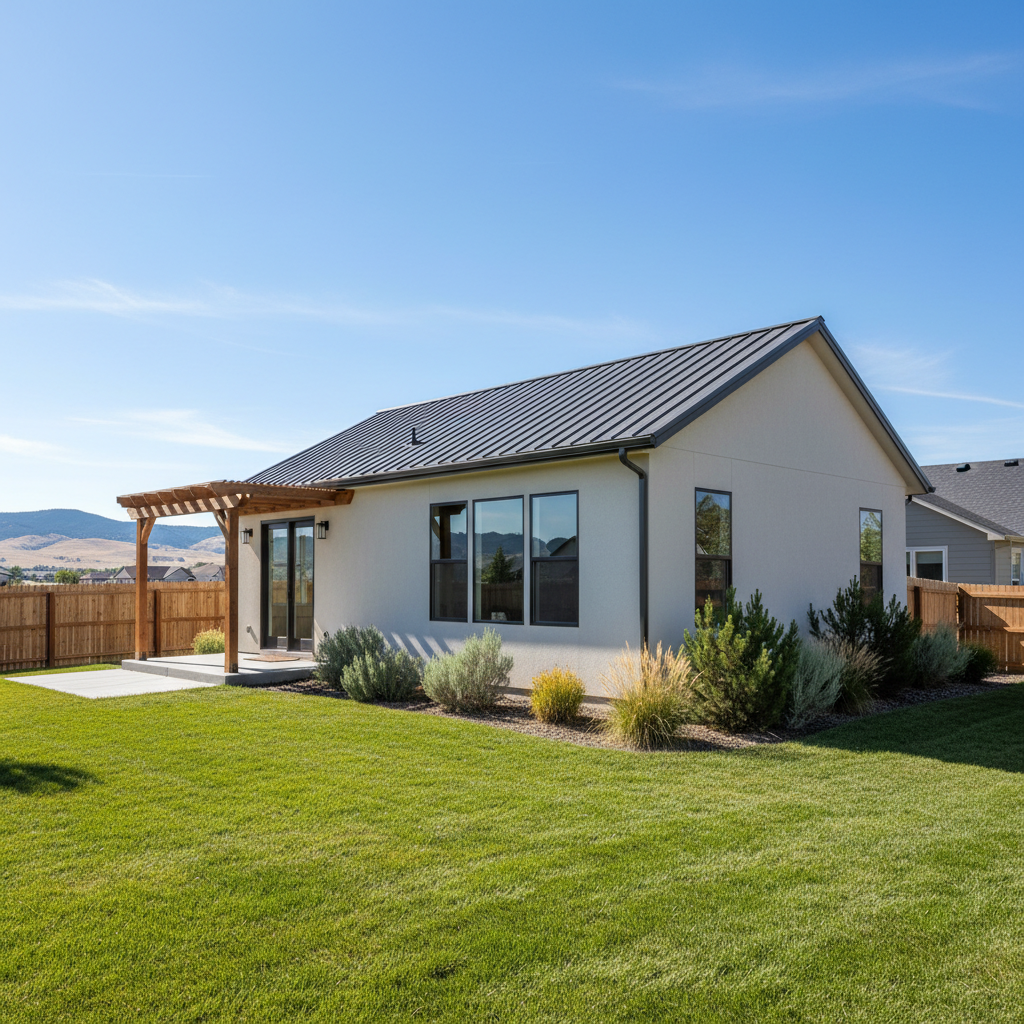
So, you've got an attached ADU, maybe for family, maybe for rental income. Either way, it's a significant part of your property, and you want it to last. I've seen too many folks neglect the little things until they become big, expensive problems. Let's talk about how to keep your attached ADU humming along for years, especially with our crazy Idaho weather.
Extending Your ADU's Lifespan
Making your ADU last is pretty simple: don't ignore it. Think of it like a car; you wouldn't skip oil changes, right? Same goes for your ADU. Regular, proactive maintenance stops everyday wear and tear from turning into structural issues or system failures. Here in Eagle, we get all four seasons, and each one brings its own challenges. The hot summers can bake materials, and our freezing winters — especially with those hard frosts we get — can really stress foundations and plumbing.
One big thing is to keep an eye on your exterior finishes. If you've got siding, check for cracks, warping, or loose panels. Paint fades and peels, after all; a fresh coat every 5-7 years isn't just for looks, it protects the underlying materials from moisture and UV damage. If your ADU shares a roofline with your main house, make sure that transition is solid. Water loves to find the path of least resistance, and a small gap can lead to big leaks down the road.
Also, don't forget the little things that really add up. Keep trees and shrubs trimmed back from the building. Roots can cause foundation problems, and branches rubbing against the roof or siding can wear away protective layers. Good drainage around the foundation is absolutely critical. Make sure your gutters are clean and downspouts direct water well away from the foundation, at least six feet. We've got pretty expansive clay soils in some parts of Eagle, like over near the Two Rivers neighborhood, and that soil can really swell and shrink with moisture changes, putting extra pressure on foundations if water isn't managed properly.
Regular Maintenance Checklist
Here's a quick rundown of what you should be doing:
- Monthly: Check smoke detectors and carbon monoxide alarms. Look for any obvious leaks under sinks or around toilets.
- Quarterly: Clean HVAC filters. Check for pest activity, especially around entry points. Clear any debris from around the foundation.
- Annually (Spring): Inspect the roof for damaged shingles, flashing, or gutters. Clean gutters and downspouts thoroughly. Check exterior caulk and sealants around windows and doors; reapply as needed. Inspect siding for damage. Test all exterior faucets.
- Annually (Fall): Winterize exterior faucets. Check weatherstripping on doors and windows. Have your furnace serviced. Trim back any branches close to the building. Ensure good attic ventilation isn't blocked by insulation.
- Every Few Years: Have your water heater flushed. Check and clean dryer vents. Repaint or reseal exterior surfaces as needed.
Don't forget about the interior, too. Keep an eye on grout in bathrooms, check for leaky faucets, and make sure appliances are running efficiently. A well-maintained appliance lasts longer and saves you money on utility bills.
Warning Signs of Trouble
You don't need to be a contractor to spot problems, just observant. Here are some red flags:
- Water Stains: Any discoloration on ceilings, walls, or floors is a huge warning sign. It means water is getting in where it shouldn't. Don't ignore a small stain; it usually indicates a bigger leak.
- Cracks: Small hairline cracks in drywall are often just cosmetic. But large, spreading cracks, especially in foundations or exterior walls, can signal structural movement.
- Musty Odors: If you smell dampness or mildew, particularly in basements, crawl spaces, or bathrooms, you likely have a moisture problem that needs addressing.
- Pest Evidence: Droppings, gnaw marks, or actual sightings of pests mean they've found a way in. They can cause damage to wiring, insulation, and even structural elements.
- Drafts: Feeling cold air near windows or doors even when they're closed means your weatherstripping or seals are failing, leading to higher energy bills.
- Sagging or Uneven Floors: This is a more serious sign that could indicate foundation issues or structural decay.
If you notice any of these, don't put off investigating. A small issue caught early is always cheaper and easier to fix than a major repair down the line.
When to Call a Professional
Look, I'm all for DIY when it makes sense, but some jobs are just better left to the pros. If you see any of those serious warning signs like significant cracks, persistent leaks you can't trace, or electrical issues, that's when you pick up the phone. Don't mess around with structural integrity, electrical systems, or major plumbing. It's not worth the risk to your property or your safety.
For things like annual HVAC servicing, roof repairs beyond a simple shingle replacement, or any major appliance repair, a specialist is your best bet. They've got the tools, the training, and the insurance to do the job right. At Eagle ADU Solutions, we build these units to last, but even the best construction needs a little love and attention. If you're ever unsure about a problem with your attached ADU, it's always better to get a professional opinion. A little preventative maintenance or a timely repair can save you a whole lot of headache and money in the long run.