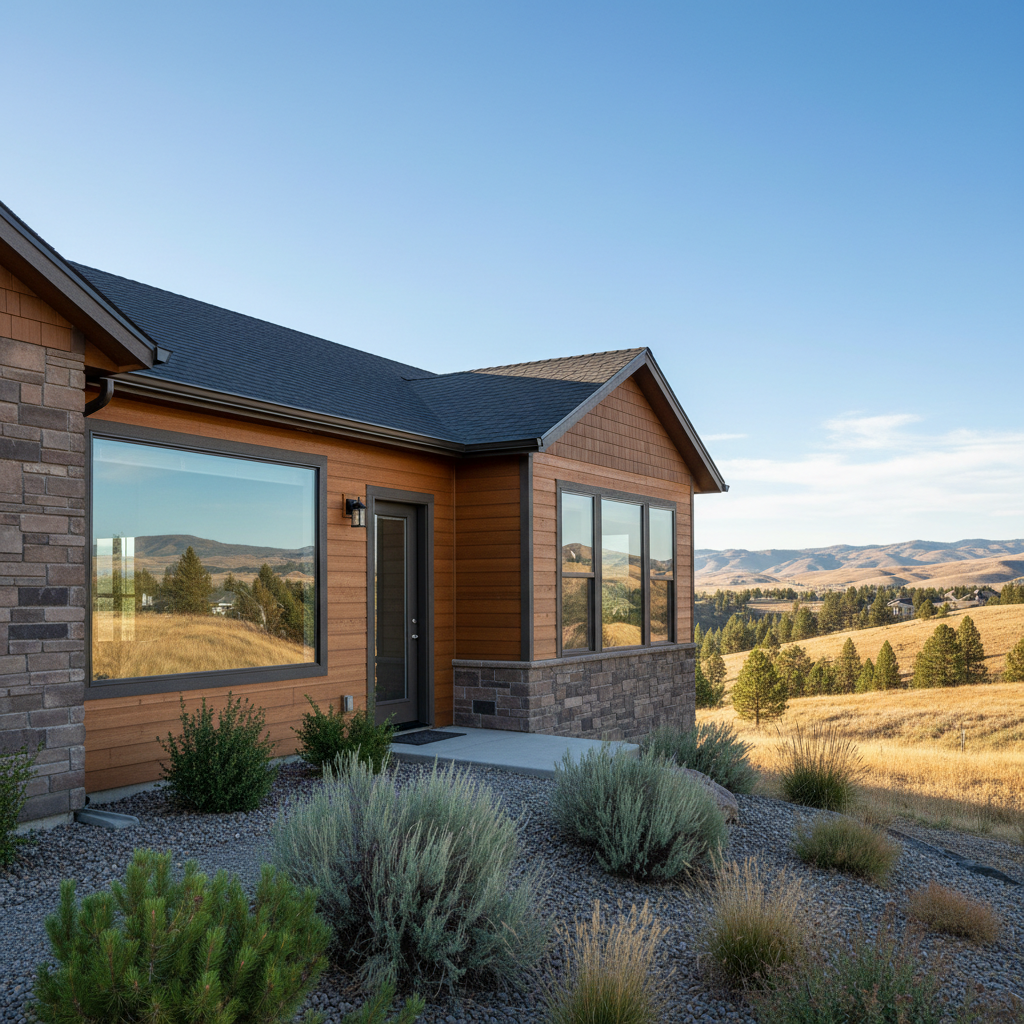
So, you've got yourself an attached ADU here in Eagle. That's a smart move, whether it's for family, rental income, or just extra space. But like any part of your home, it needs a little love to keep it running right and looking good for the long haul. You wouldn't buy a new truck and never change the oil, right? Same goes for your ADU.
Keeping Your ADU Around for the Long Haul: It's All About Being Proactive
The best way to make sure your ADU stands the test of time is to be proactive. Think of it as protecting the money you put into it. Here in Eagle, we get all four seasons, and sometimes they hit hard. That means your ADU's exterior and interior parts are constantly working. Regular, small efforts now save you from big, expensive headaches later.
- Keep an eye on your roof: I can't say this enough. Our winters can dump a lot of snow, and then the spring thaw hits. Make sure gutters are clear of leaves and debris, especially after fall. Ice dams are a real problem around here, and they can force water under shingles, leading to leaks and rot. Check for loose or damaged shingles after heavy winds or hail.
- Seal the envelope: That means windows, doors, and any spots where utilities go through the wall. Caulking and weatherstripping dry out and crack over time, especially with our hot summers and freezing winters. Re-caulk as needed. This isn't just about keeping water out; it's about saving on your energy bill too.
- Mind your landscaping: Make sure plants aren't growing directly against the foundation or siding. They can trap moisture, invite pests, and even damage the structure over time. Keep sprinklers aimed away from the building.
- HVAC filter changes: This is a no-brainer. A clean filter means your system runs more efficiently and lasts longer. Do it every 1-3 months, especially if the ADU is occupied.
What Regular Upkeep Looks Like
This isn't rocket science, but it does require a little consistency. Most of this stuff you can do yourself in an afternoon.
- Monthly walk-through: Just take a quick stroll around and inside the ADU. Look for anything out of place. Any new cracks? Strange stains? Odd smells? Is the plumbing under sinks looking good?
- Seasonal checks (Spring & Fall): These are your big ones. Clear gutters, check downspouts to make sure they're directing water away from the foundation. Inspect exterior paint or siding for chips, cracks, or fading. Test all smoke and carbon monoxide detectors. Check the crawl space or attic for signs of pests or moisture, especially if your ADU is built on a crawl space, which is common in some of the older parts of Eagle.
- Annual deep dive: This is when you might clean out dryer vents, check appliance hoses, and maybe even give the exterior a gentle wash. If you've got a water heater, flush it annually to prevent sediment buildup.
Warning Signs You Shouldn't Just Ignore
Sometimes problems start small and get worse fast. Knowing what to look for can save you a bundle.
- Water stains: On ceilings, walls, or floors. This is a big one. It means water is getting in somewhere it shouldn't be. Don't ignore it.
- Musty smells: Especially in basements, crawl spaces, or bathrooms. That's usually a sign of mold or mildew, meaning excess moisture.
- Cracks: Small hairline cracks in drywall might be normal settling, but large, spreading cracks, especially in foundations or exterior walls, are serious.
- Pest droppings or activity: Rodents and insects love warm, dry places. If you see signs, address it quickly.
- Flickering lights or tripped breakers: Could be a minor electrical issue, or it could be something more serious that needs a pro.
- Slow drains or low water pressure: Indicates a plumbing issue that could be a clog or something worse.
When to Call a Professional
Look, I'm all for DIY, but there are times you just need to call in the cavalry. Trying to fix something you're not qualified for can make it worse, cost more, and even be dangerous.
- Roof damage: Unless it's just clearing leaves, leave serious roof repairs to a licensed contractor. It's dangerous work, and you want it done right to prevent future leaks.
- Foundation cracks: If you see significant cracks in your foundation, especially horizontal ones, get a structural engineer or foundation specialist out there.
- Major plumbing leaks or clogs: If you've got a burst pipe, a persistent clog that plungers can't fix, or suspect a sewer line issue, call a plumber. Water damage is no joke.
- Electrical problems: Any issues beyond changing a lightbulb or resetting a GFI should be handled by a licensed electrician. Electricity is not something to mess around with.
- HVAC breakdowns: If your furnace isn't heating or your AC isn't cooling, call an HVAC tech. They've got the specialized tools and knowledge.
- Suspected mold: If you've got a significant mold problem, especially after a leak, you might need a mold remediation specialist.
Keeping up your attached ADU isn't just about fixing things when they break; it's about protecting your asset and making sure it continues to serve its purpose for years to come. A little attention goes a long way. If you ever have questions or need a hand with bigger projects for your ADU, you know who to call. That's what we do at Eagle ADU Solutions.